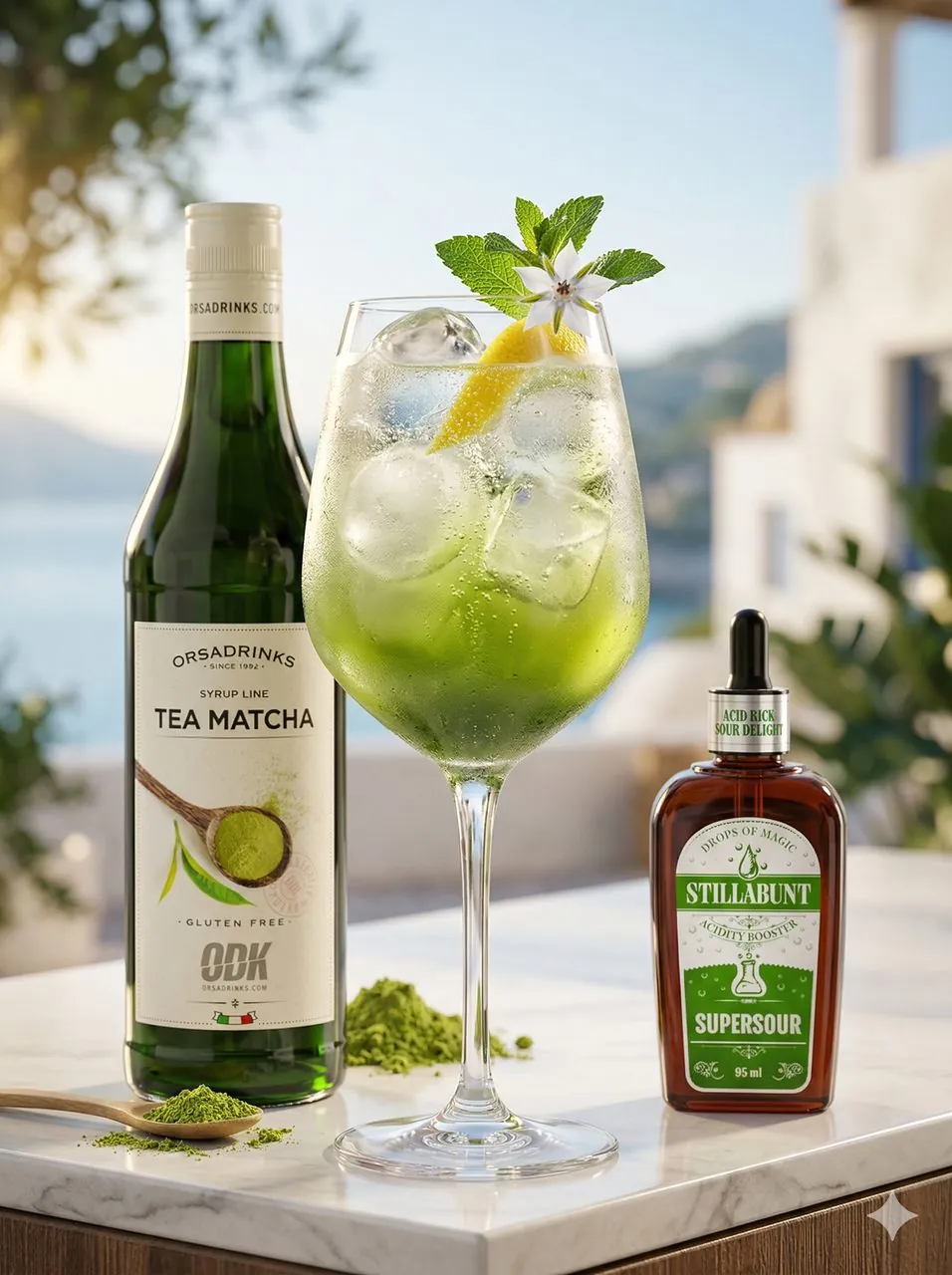
Matcha is the fastest-growing category in cafés across Europe. But many owners still don't have it on their menu because they don't know if it's profitable, whether the preparation is complex, or how much they'll sell. This guide answers all three questions with real numbers.
The context: why matcha is now and not later
In 2023, matcha was niche. In 2025, it was a trend. In 2026, it's mainstream. Searches for "matcha latte" have grown 280% in two years across Spain. Cafés that adopted it 18 months ago have regular customers who come specifically for the matcha. Those waiting now are competing against venues already established in that positioning.
The pattern is identical to the flat white: late is expensive. The window of competitive advantage is closing. In the Canary Islands, with high turnover of young international tourists from markets where matcha is already normalised (UK, Germany, Nordic countries), the demand is even more urgent.
The real cost per cup
The first question from any hospitality operator is the ingredient cost. With ODK products, the numbers are clear:
Hot Matcha Latte (250 ml)
| Ingredient | Cost |
|---|---|
| ODK Matcha Blend (10 g) | ~€0.22 |
| Whole milk (200 ml) | ~€0.18 |
| Optional syrup (10 ml) | ~€0.05 |
| Total ingredient cost | ~€0.45 |
| Recommended selling price | €4.50 - €5.50 |
| Gross margin | 90 - 92% |
Iced Matcha Latte (350 ml)
| Ingredient | Cost |
|---|---|
| ODK Matcha Syrup (25 ml) | ~€0.20 |
| Whole milk (200 ml) | ~€0.18 |
| Ice (free with ice maker) | ~€0.02 |
| Total ingredient cost | ~€0.40 |
| Recommended selling price | €4.50 - €6.00 |
| Gross margin | 91 - 93% |
The best-selling recipes
Hot Matcha Latte. The foundation. ODK Matcha Blend dissolved in hot water (80°C — never boiling) + steamed milk. The process is identical to a flat white: if you already make lattes, matcha adds no complexity. Preparation time: 90 seconds.
Iced Matcha Latte. The most ordered during warm weather. ODK Matcha Syrup + cold milk + ice. 30 seconds. The intense green colour is the biggest marketing asset — no one can resist photographing it.
Matcha Coconut Latte. Matcha Syrup or Blend + coconut milk. Vegan, tropical result with a natural sweetness that works perfectly for healthy-café clientele. Selling price can increase €0.50-1 for the premium ingredient.
Matcha Vanilla Latte. Add vanilla syrup. Softens the matcha's bitterness for guests trying it for the first time. The perfect bridge between a traditional coffee latte and pure matcha.
Matcha Frappé. ODK Matchamisú Frappé Base + milk + ice. The summer option. Same flavour, frozen texture. Same ticket as the iced matcha but with even better margin due to the greater apparent volume.
How to present it on your menu
The mistake many cafés make: listing "Matcha Latte" with no further description. Guests who don't know it won't order it. Those who already know it want to know the quality.
Description that converts: "Matcha Latte — premium Japanese green tea, creamy and natural. Hot or iced. With oat or whole milk."
Add customisation options: whole milk / oat milk / coconut milk / sugar-free. Guests perceive greater value when they can choose. And plant milk at +€0.50 increases the ticket with no extra effort.
The break-even point
With 1 kg of ODK Matcha Blend at hospitality pricing, you get approximately 100 hot latte serves. If you sell each at €5, you generate €500 in gross revenue with an ingredient cost of ~€22. The initial product investment is recovered in under a week if you sell 15 matcha lattes a day — perfectly achievable in a medium-sized café.
A low-risk launch
No need to launch matcha with fanfare. The lowest-risk strategy: add one listing to the chalkboard or digital menu, without changing the printed menu. Measure for two weeks. If it exceeds 10 orders per day, consolidate it on the main menu. If not, adjust the positioning or description before investing in design.
Most cafés that launch matcha with ODK exceed that threshold in the first week. The product already has market traction — you're just meeting demand that already exists.